
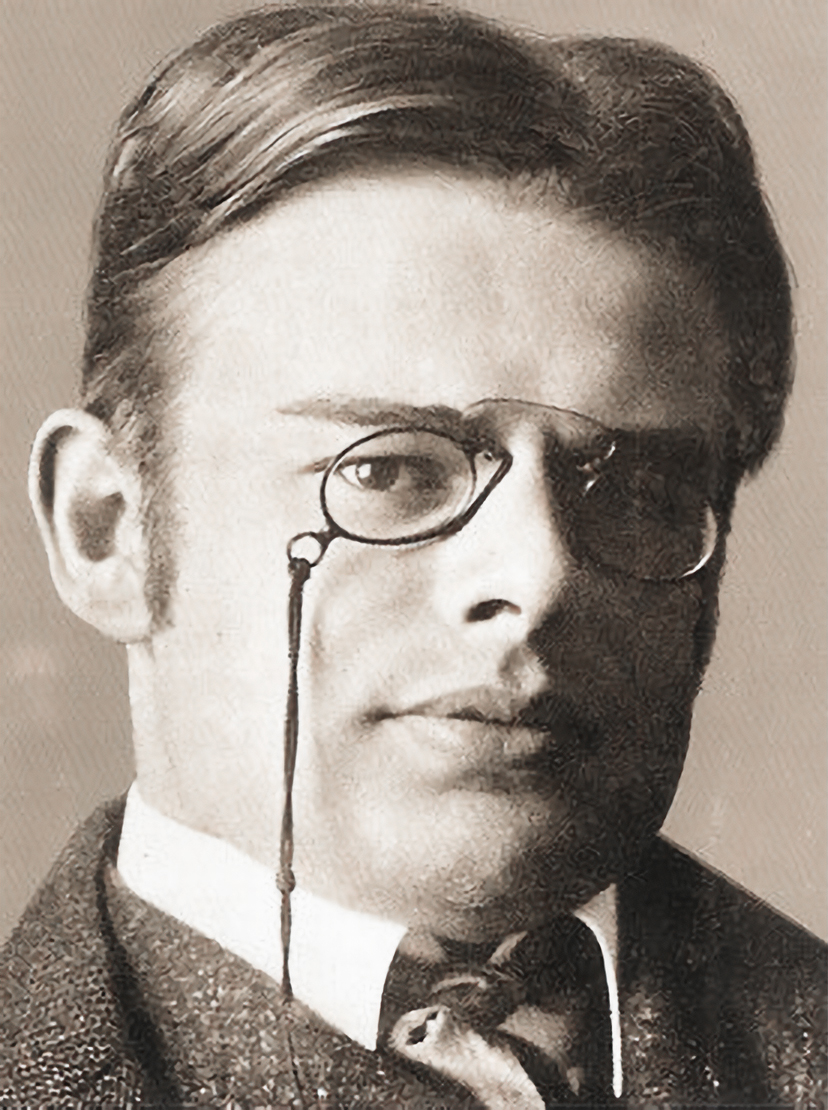
Professor Paul Haustein taught Gold and Silversmithing classes at the Kunstgewerbeschule in Stuttgart. Gross, who enrolled in these classes, was a natural and soon became Haustein’s Master pupil.Haustein was a talented craftsman whose experimental techniques with metal and enamel were widely praised. He created decorative pieces and household goods and was credited as being an important figure in the formation of Art Deco design. He received an award for his work at the 1903 World Exhibition and one of his tureens was shown in 1910 at the Brussels Exposition as a pioneering example of Art Deco design. Haustein had worked for many clients over his career including WMF ( Württembergische Metallwarenfabrik) as a freelance designer.
WMF was a leading manufacturer in Europe in the 1920’s and 1930’s. They made household goods and tableware. Of special interest was their art glass. They often experimented with different techniques and are credited with the Myra and Ikora glassware where silver nitrate (instead of lead) was infused with glass crystal, creating beautiful translucent amber swirls and bubbles.
In 1925 Gross enrolled in a one year course in Engraving and Metal-Chasing at the State Academy of Fine and Applied Arts in Berlin. His teacher here was Professor Waldemar Raemisch. Raemisch had taught at the High School of the Museum for Arts and Crafts from 1919 until 1923 before becoming a Professor at the State Academy of Fine and Applied Arts. He worked at the Academy during the 1920s and 1930s. Whilst there, he designed many commodities from currency to jewellery and medals. Of note, Raemisch designed the two bronze eagles that adorned the entrance to the Olympic stadium in 1936.
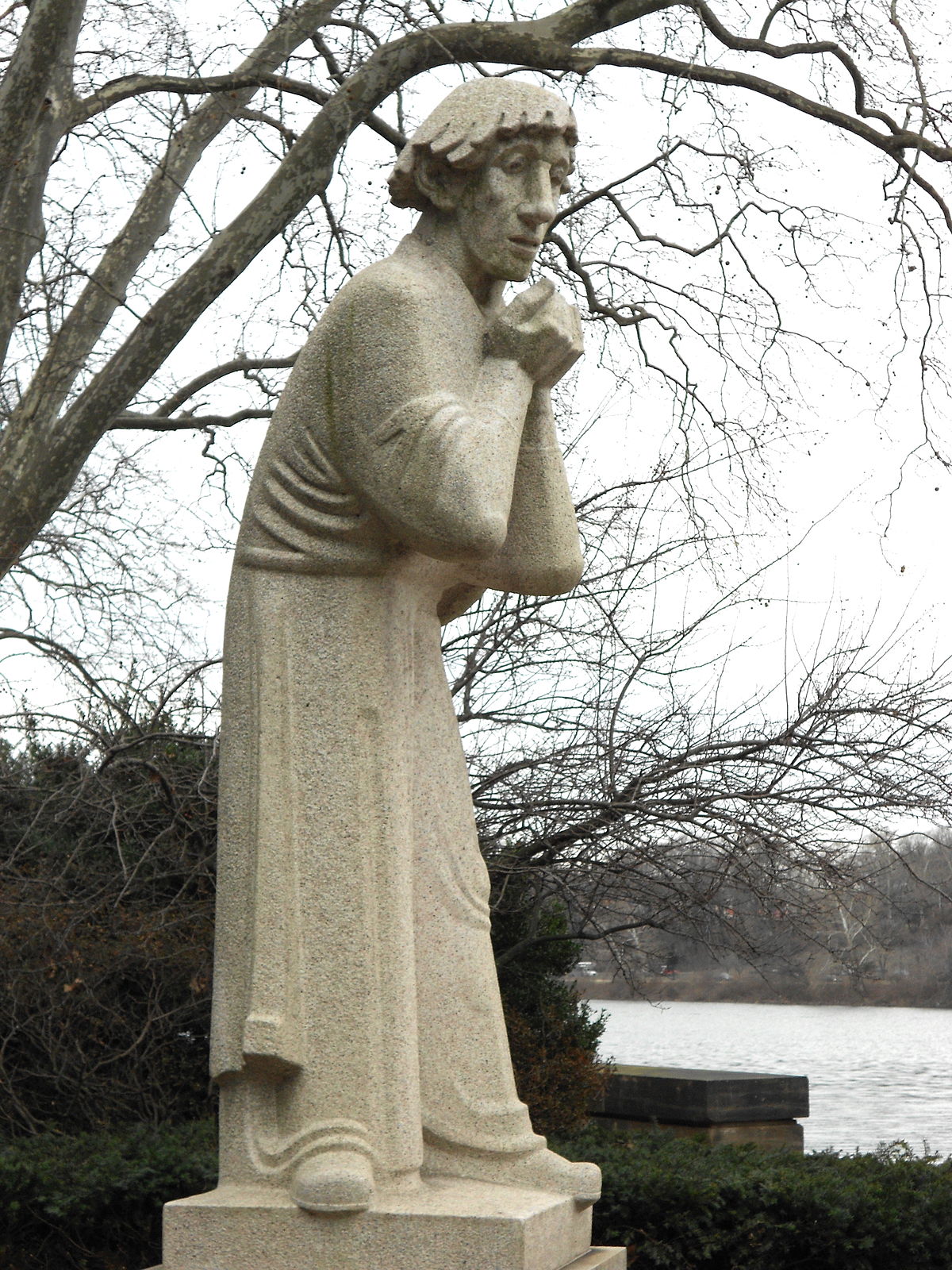
However, in 1937, as Nazi ideology took hold in Germany, he lost his job due to his wife being Jewish. He emigrated to the United states in 1939 where he worked at the Rhode Island School of Design. He became Head of Sculpture there in 1946. While in the U.S he turned his attention increasingly to designing monuments, most famously ‘ The Great Mother’ and ‘The Great Doctor’ in 1955. These monuments were originally situated outside the Youth Study Center ( a juvenile detention centre) in Philadelphia. In 2008 they were both relocated to the School of the Future in West Fairmount Park, also in Philadelphia.
When Gross moved to Paris in 1928 he worked with the distinguished sculptor Robert Wlerick. Wlerick was an Impressionist and Modern sculptor who had begun his training as an apprentice at L’École Municipale des Beaux-Arts in Toulouse in 1899 where he soon became disillusioned with the traditional teaching he recieved.
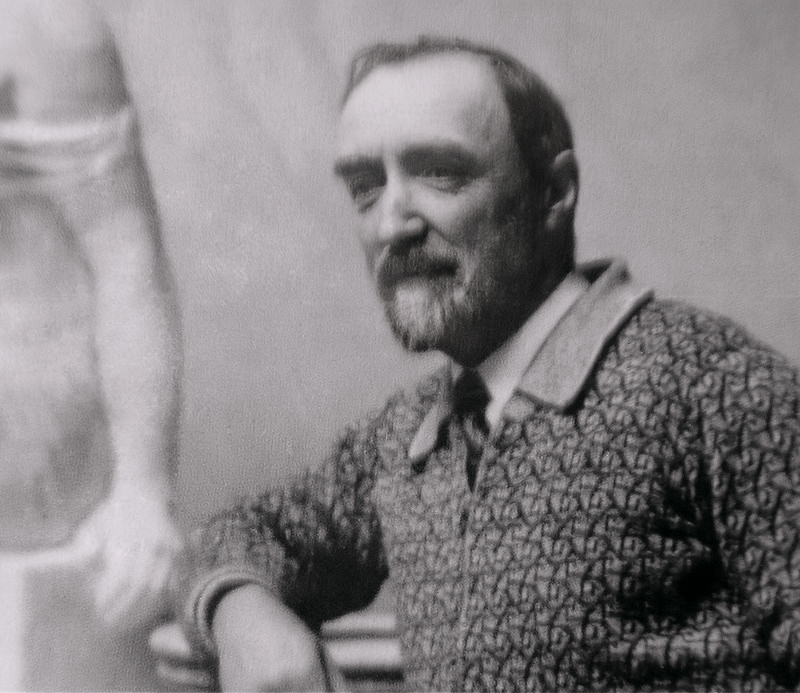
He enrolled in L’École des Beaux-Arts in Paris in 1906. His talent did not go unrecognised and he exhibited for the first time in the Salon de la Société National des Beaux-Arts in 1907. Whilst in Paris, Wlerick joined Bande à Schnegg, a group of sculptors who were dissatisfied with the authoritative and buttoned down training that was being taught at art schools at the time. Wlerick believed the human body to be beautiful in its simplicity and created many sculptures that emphasised subtle harmony of the human figure, stripped of decorative elements and narratives that were so popular at the time. From 1922 to 1943 Wlerick taught at the newly founded Ecole des Arts Appliqués.Wlerick also went on to teach as a professor at L’Académie de la Grande Chaumié from 1929. His sculptures are widely praised and can be seen in many of the great French museums such as the Musée National d ʻArt Moderne in Paris. In Mont-de-Marsan, in the south of France, the Musée Despiau-Wlerick celebrates his work along with other figurative sculptors.