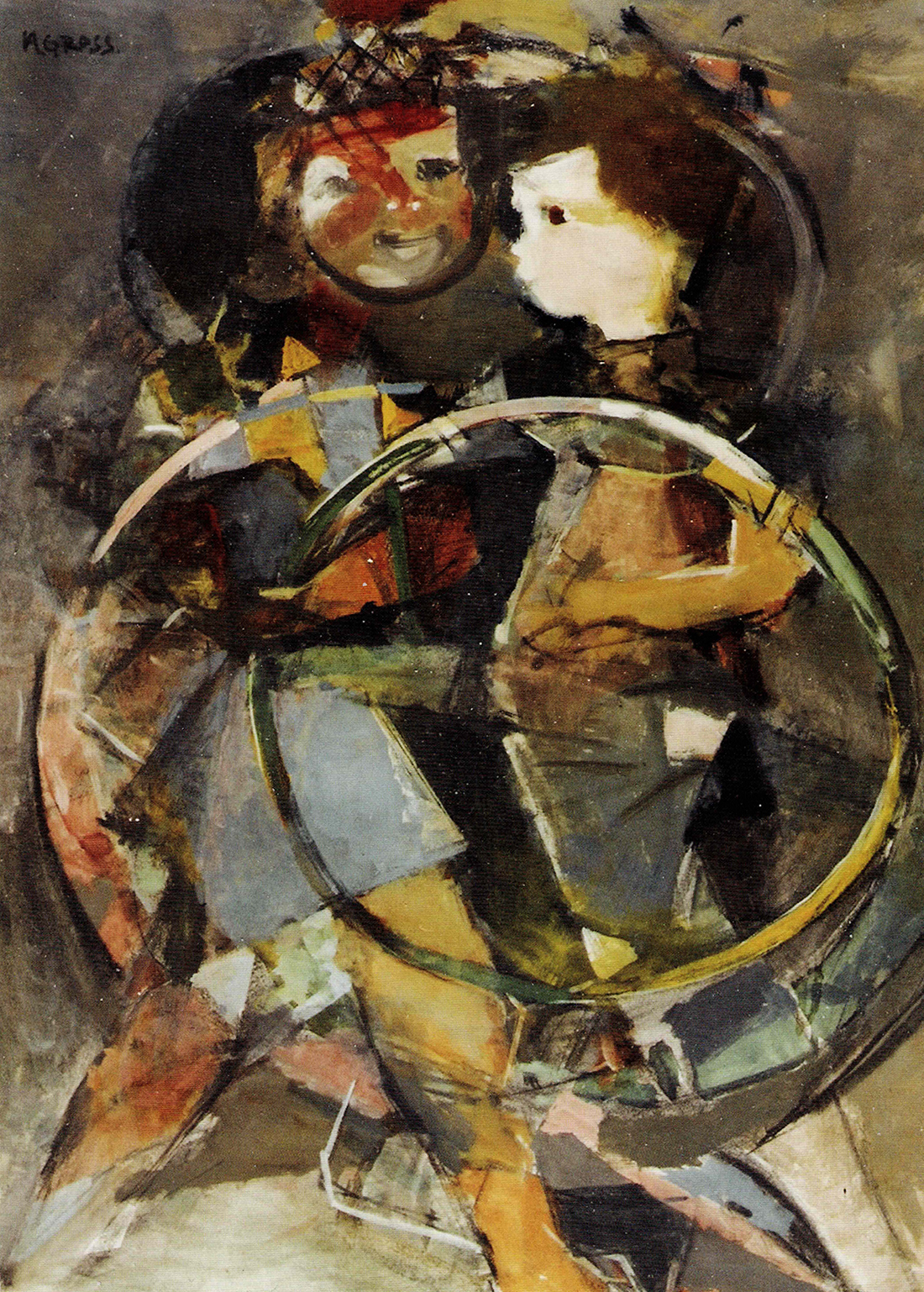
Art, in one sense, is a quest for the unknown. Such is our experience in trying to unite colour and shape in a synthesising harmony, that then - and only then - the trace of some content arises. We always recognise the merging theme with unexpected surprise and, from then on, the content becomes of primary importance. We are at liberty to reject the character of this content, because our dignity and responsibility are aroused. The time of ‘l’art pour l’art’ is over. Now we have to exert responsibility”
Gross, 1989. Cited in Robin Jackson ‘Art and Soul'
We can see that Gross’ art evolved and changed several times over his lifetime. Throughout his works you can see the influence of artists he admired, artists he had worked with and lived around, from Picasso to Chagall. Underpinning all of it was a sense of great empathy and a search for meaning. From when he was a carefree young man living in Paris, where he liked to create art based on those around him, to a more restricted and careful depiction of wartime life. After the war we can see that Gross was grappling with the trauma he had experienced and the damage it had wrecked on his spirit. The art here was dark, religious and expressed a deep pain as well as a yearning for renewal. When he became an artist-in-residence in Camphill his art changed again. It became lighter, more peaceful. It was still introspective with religious elements that invited the viewer to contemplate their inner experience.
We will now look at the Art of Hermann Gross in respect to these changing periods in his life. Below is a sample of his paintings, sketches and sculptures.
When Gross was a young man living in Paris he made pieces influenced by his environment and the characters who lived within it. One such person was Suzy de Solidor.
Solidor was a cabaret artist, was a hugely influential nightlife celebrity in Paris at the time. Openly gay and a figure of sexual emancipation, Solidor opened the chic nightclub Boîte de nuit in the early 1930’s and was known as the ‘most painted woman in the world’. She posed for many great artists of the time including Pablo Picasso, Jean Cocteau, and Georges Braque, on the condition that she keep the paintings to hang in her club. Gross was impressed with her free spirited character and created a life sized portrait mask of Solidor. He would later create a gilded brass head of her.
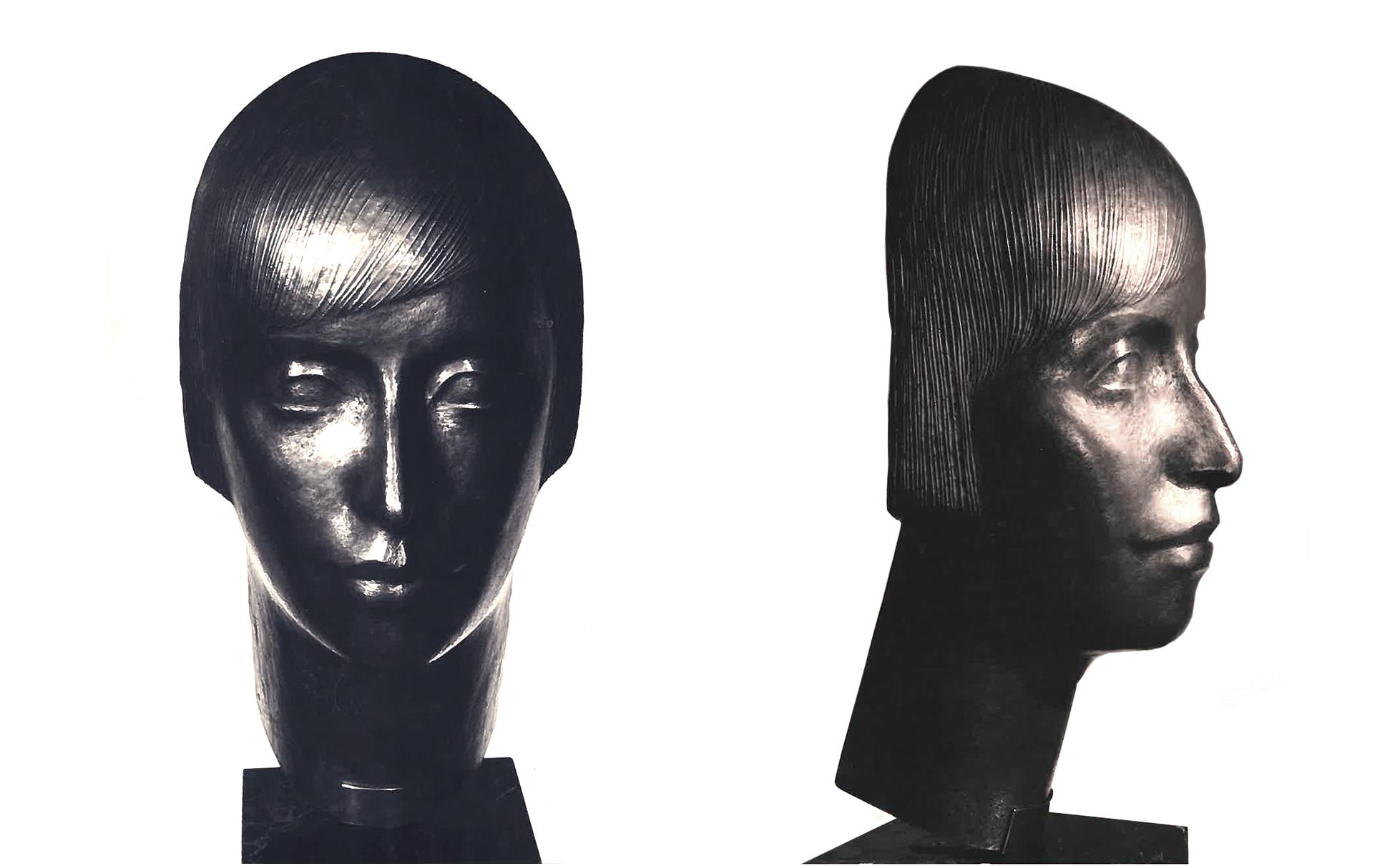
↑ Suzy de Solidor brass head sculpture.
There is not much record of Gross’ early works. Much of it was lost in the second world war when his studio in Berlin was destroyed. It was during these years that Gross was inspired by the fraternity of artists living nearby including Picasso and Chagall.
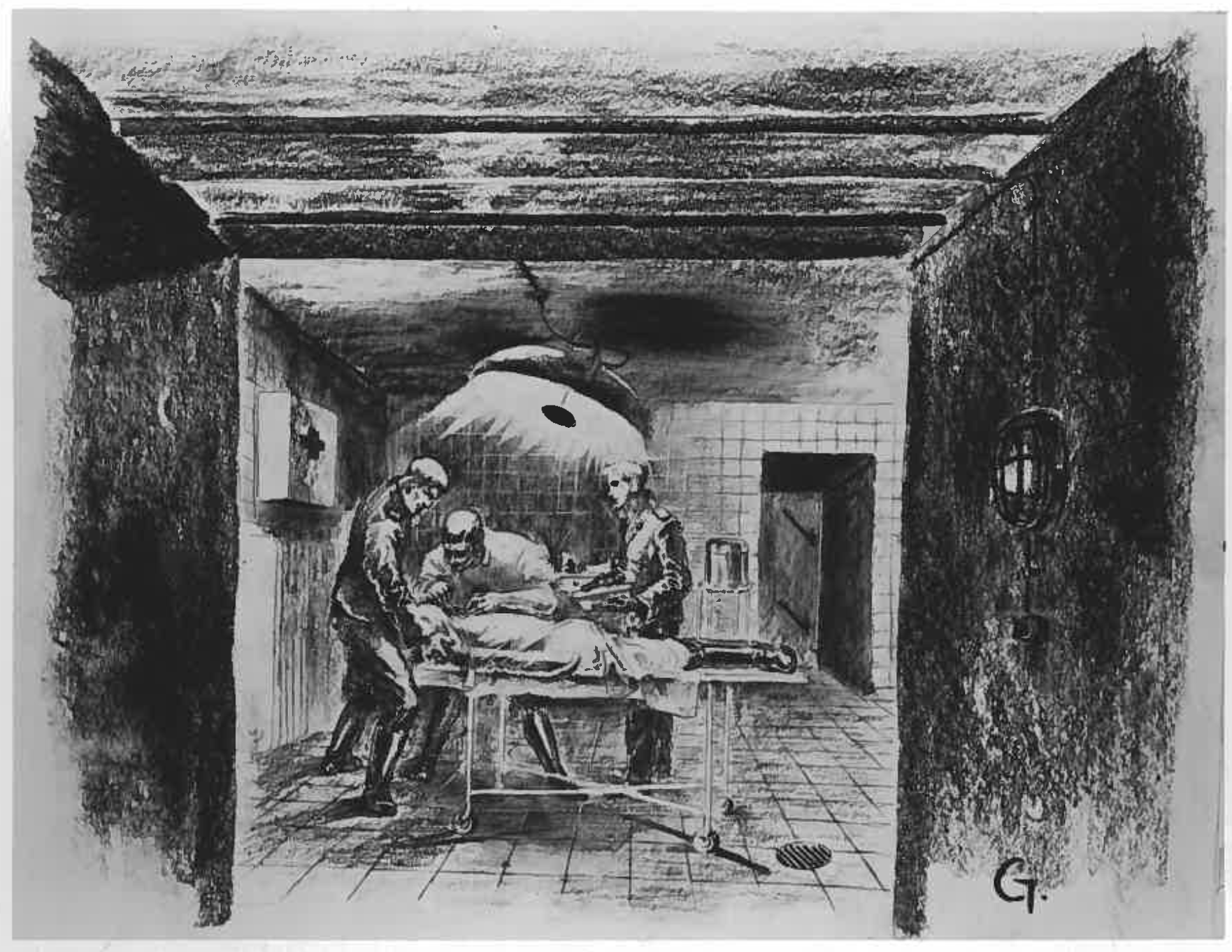
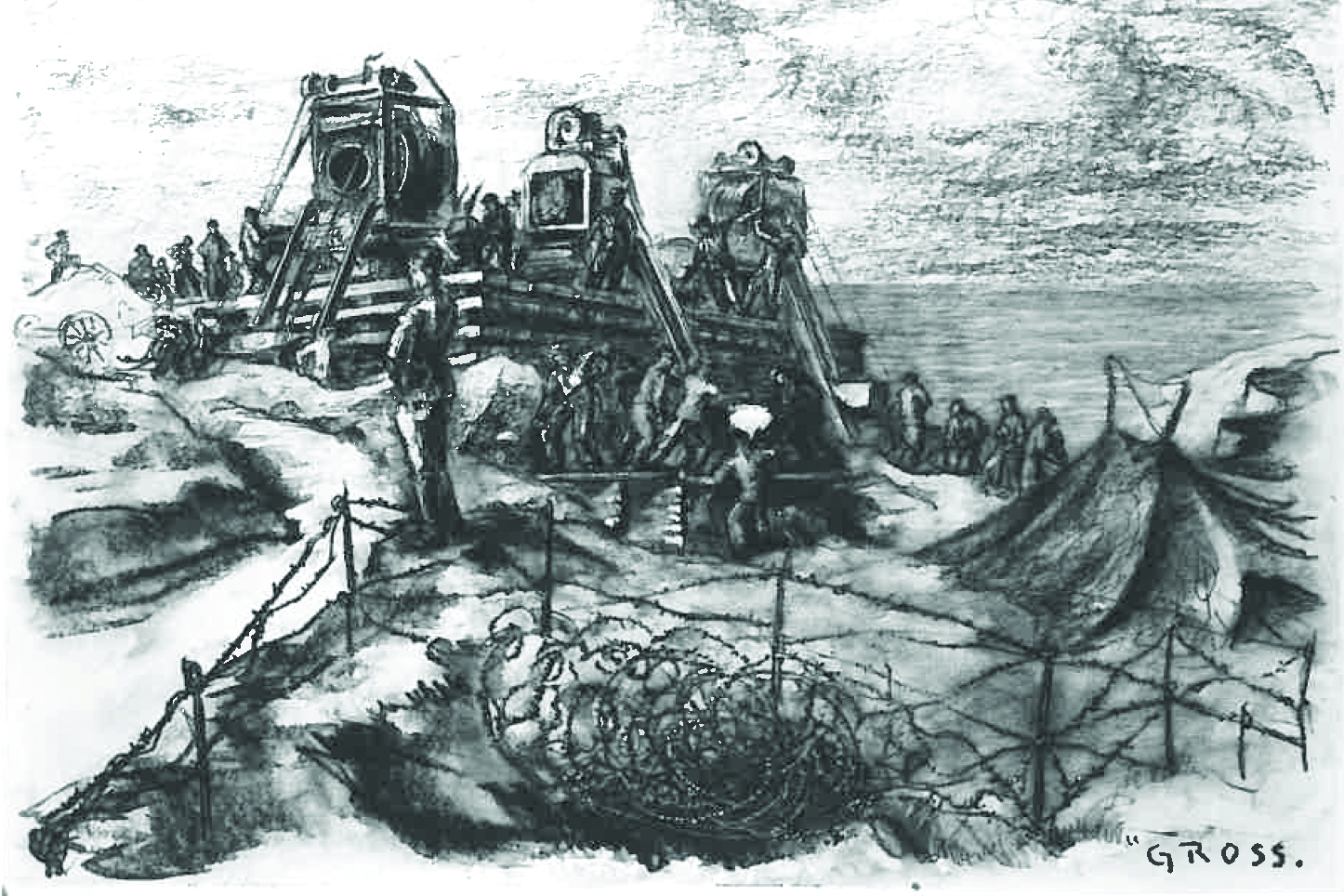
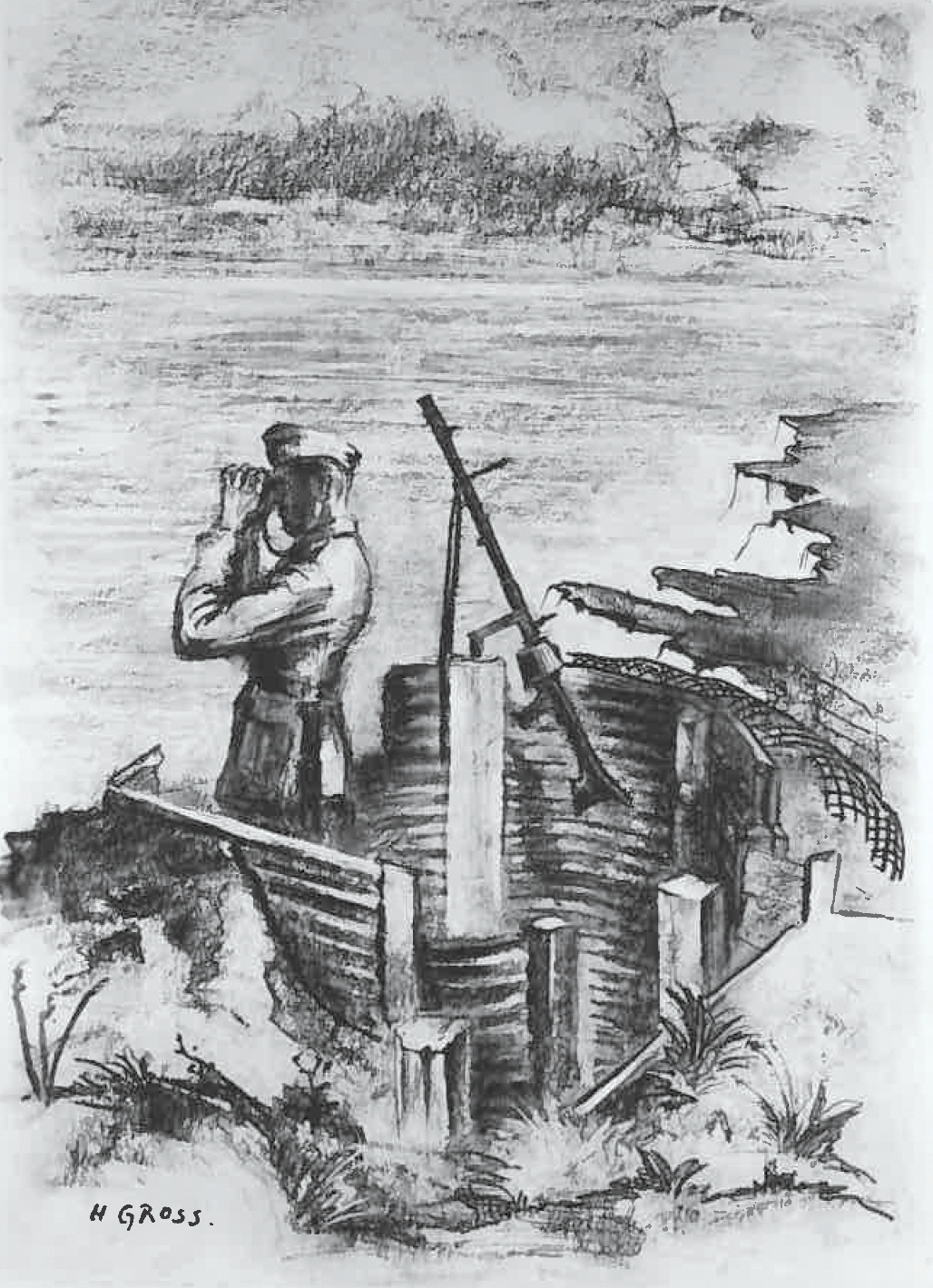
Not much remains of Gross’ work during this time. What exists is predominantly sketches he did whilst working for the Propaganda unit of the Luftwaffe.
.jpg)
We can see from these works that Gross’ style during this time was more traditional.
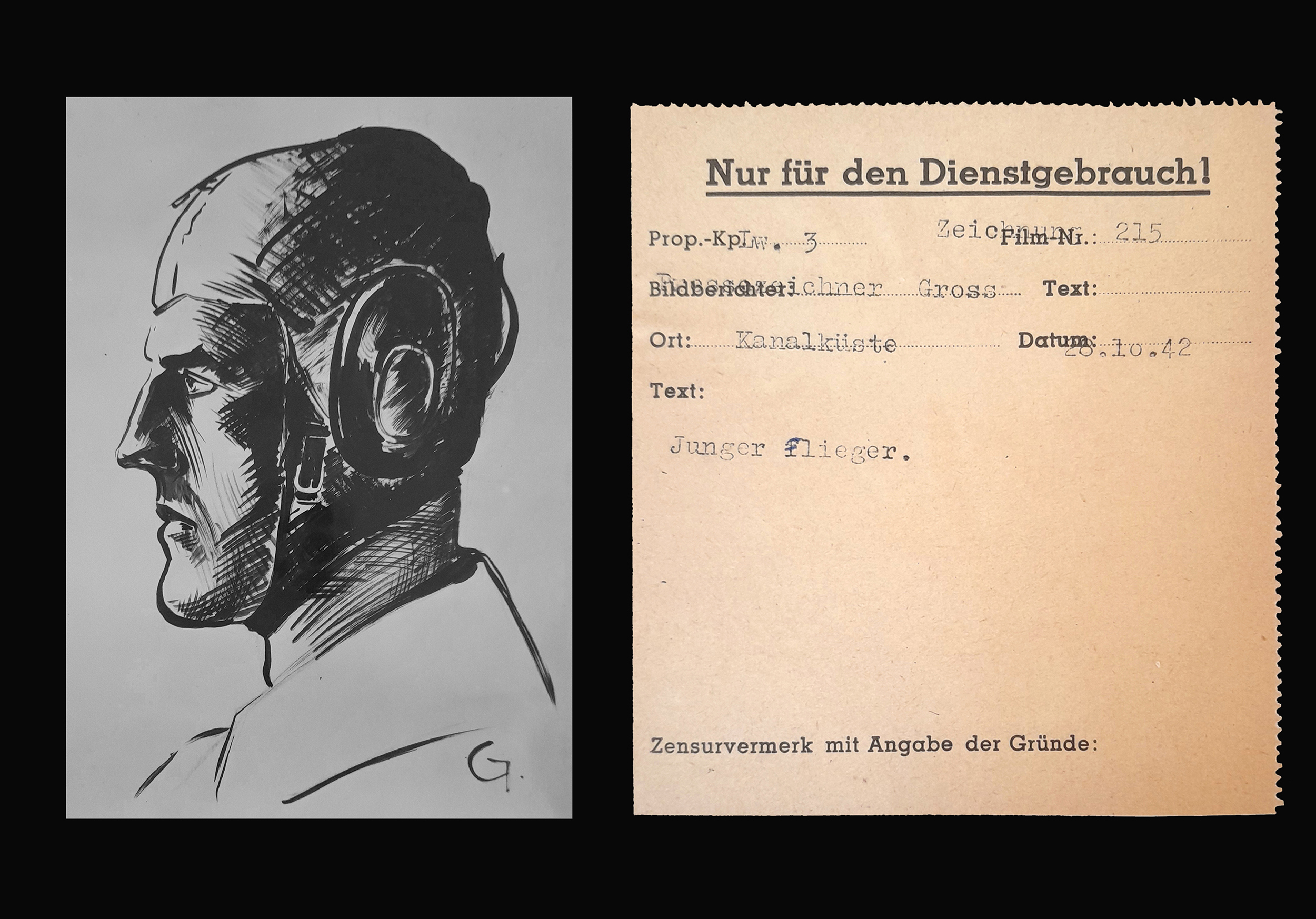
> These two sketches of military men with the tickets attached noting Gross’ Propaganda unit were found in Gross’ personal papers. It is not known how he managed to preserve them throughout the war.
In the next period of his life, his work became increasingly abstract and expressionistic.
Hermann's post-war work was dominated by the Christian theme of resurrection.
Gross focused intently on death and rebirth. It was his way of processing the horrors of the war. In this period his colours were dark or muted with highlights of bright colour. His brush strokes looked rushed at times and his work became increasingly abstract. His place as an expressionist artist was established.

_STUDIO_HGross.JPG)
_STUDIO_HGross.JPG)
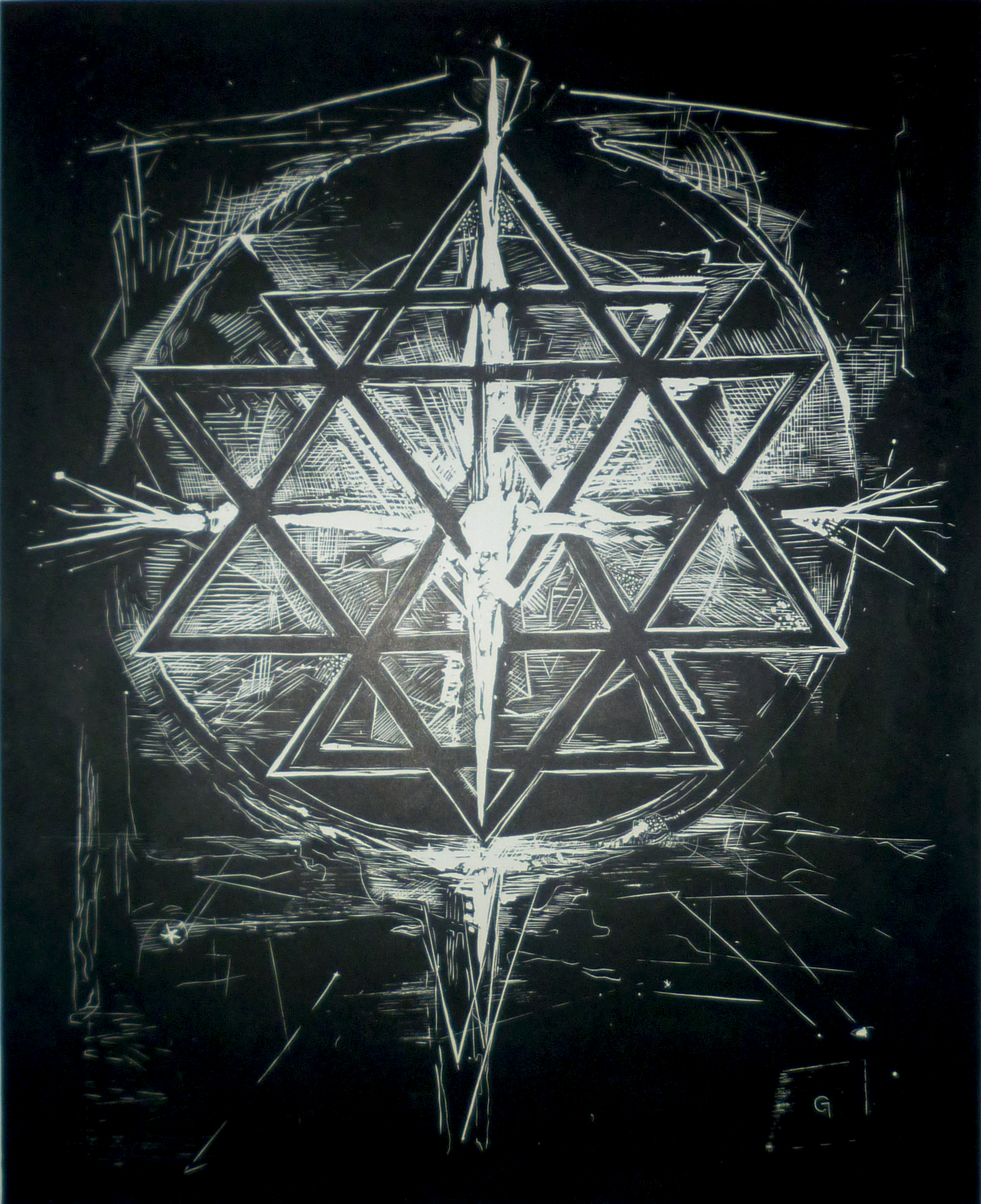
Themes of death and suffering were prevalent during this time with particular focus on the crucifixion.
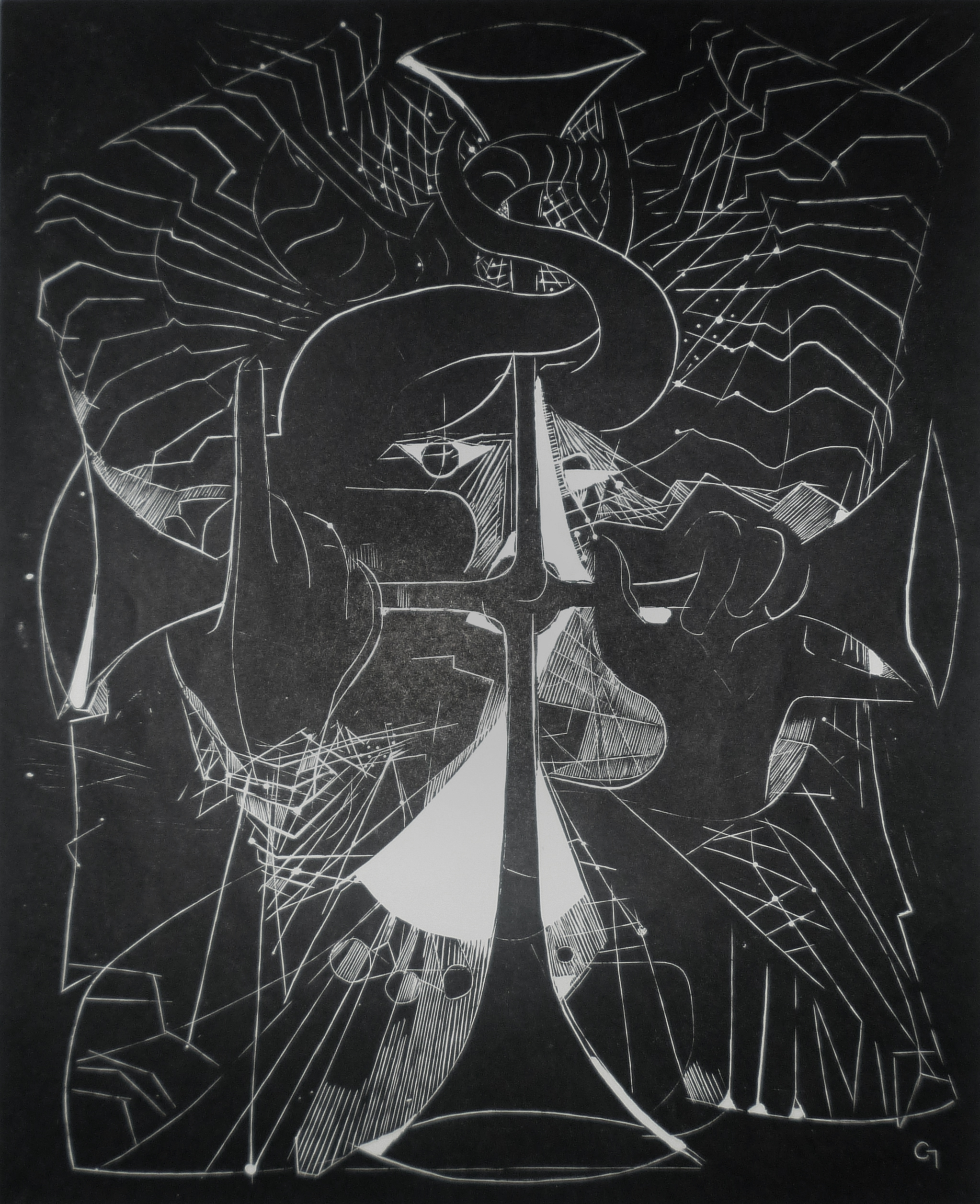
_STUDIO_HGross.jpg)
⌃ A small section of a collection of vinyl prints Gross did while in America in the 1950’s. We can see that dark religious themes were still important to him.
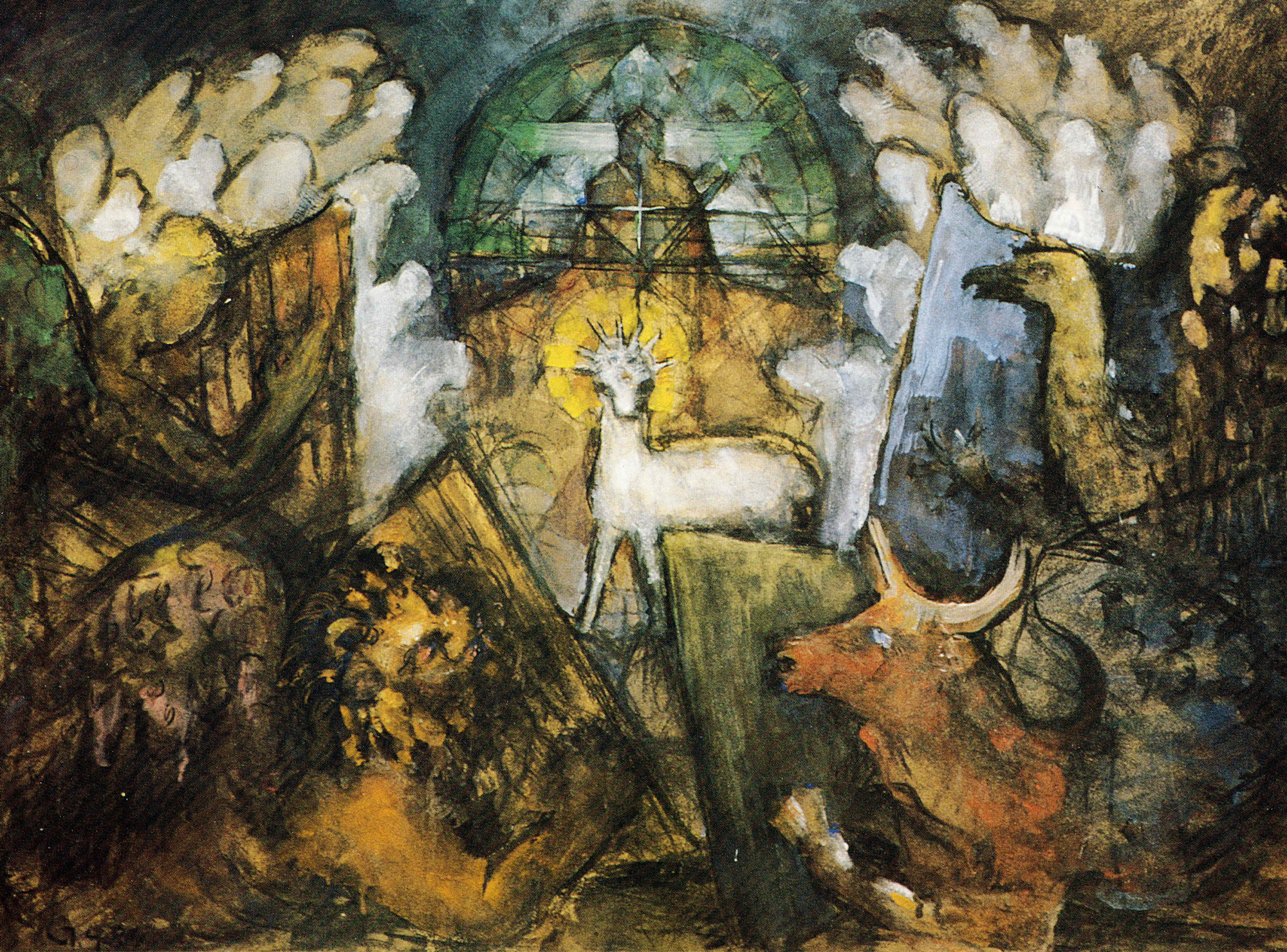
⌃ This depiction of the four creatures of the apocalypse was created by Gross in 1948. The lion, eagle and bull in the foreground with the lamb, representing Christ, taking center stage. This painting now hangs in the foyer of Camphill Hall in Aberdeen, Scotland.
_STUDIO.JPG)
⌃ This painting, created around the same time, shows a similar theme with a similar palette of muted, soft hues.
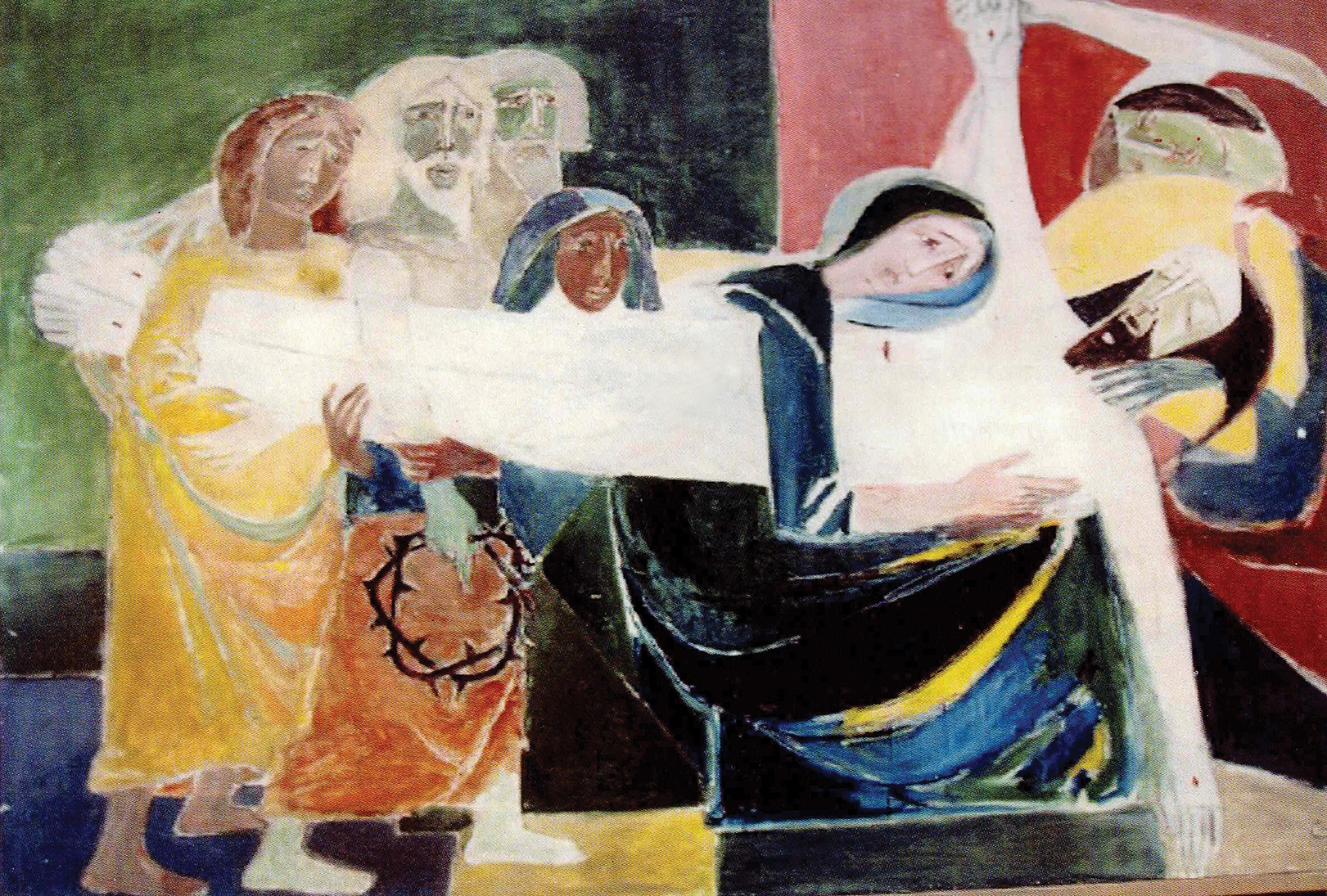
> Gross painted a series of scenes depicting Jesus being taken off the cross. His colours here are brighter and were likened to stained glass. The theme again deals with death and renewal.
_STUDIO.JPG)
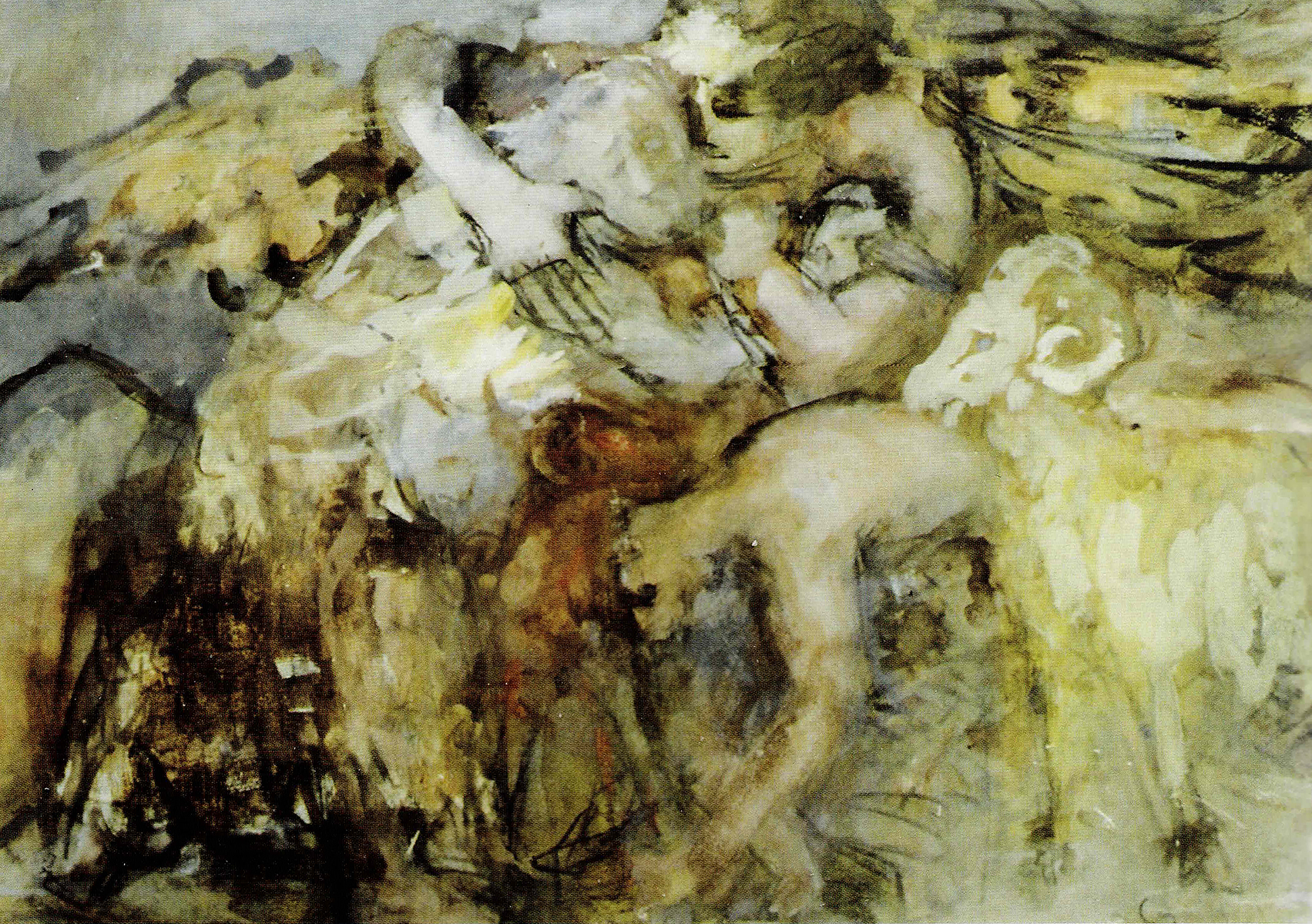
⌃ Continuing Gross’ focus on religious scenes, this painting shows Abraham obeying God’s command to sacrifice his son Isaac. This theme was a common one with artists across Europe. However, Gross’ depiction differs from others as it has a much more gentle and compassionate tone.
Gross created a number of metal sculptures throughout his life, leaning on what he had learned in art school as a young man. Of particular interest to him were faces, either in the form of a mask or a head. These busts would often have several faces or aspects. The idea that a person's outer presentation masks the true inner self was one that Gross played with again and again. These ideas also presented themselves in his paintings, showing figures in or with masks.

⌃ An example of one of Gross’ face sculptures where the abstract face presents multiple aspects.
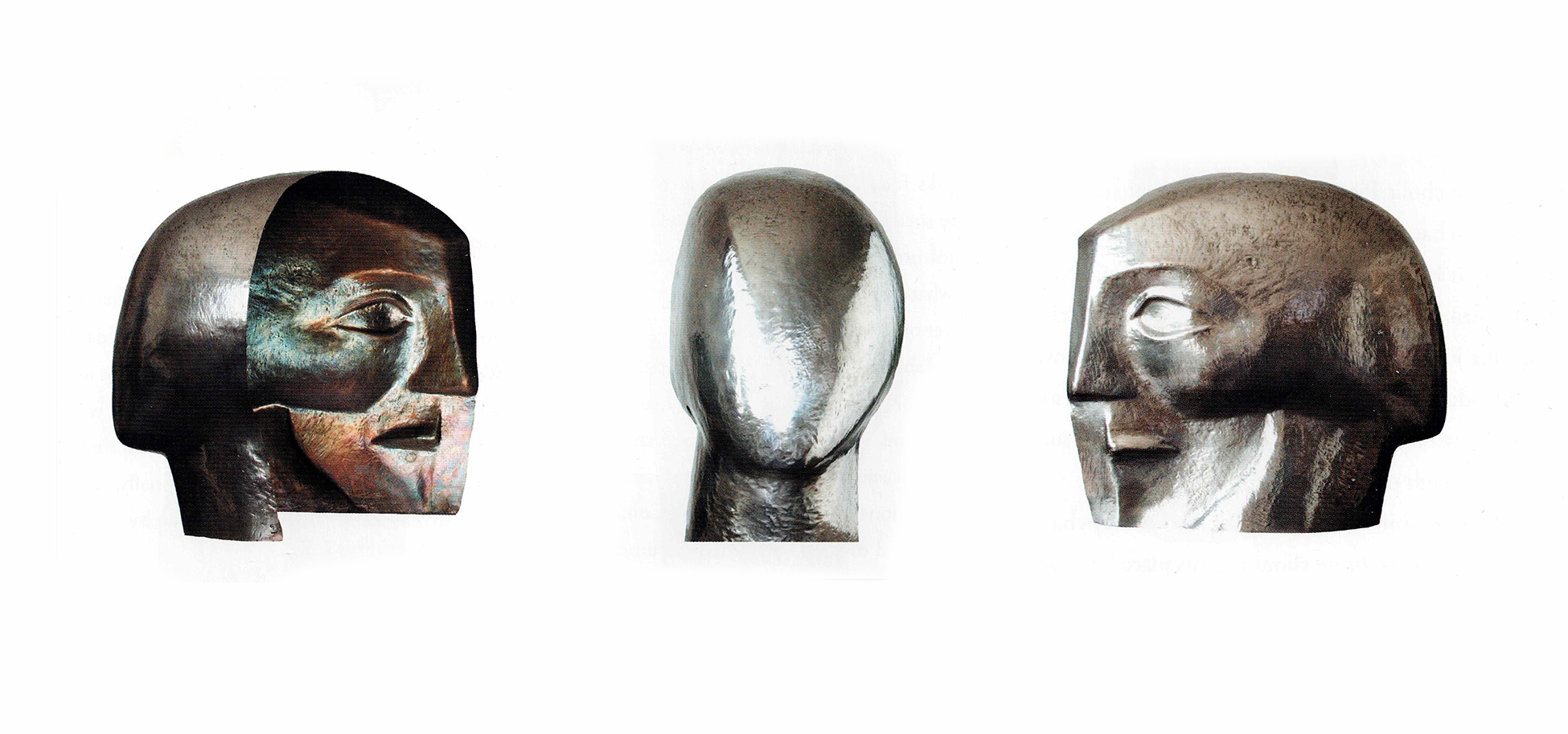
⌃ One of his more notable sculptures was this silver head. On closer inspection we can see that it presents three faces. The one on the ‘inside’ of the face has the most detail, the outer one mirroring it is the same but less detailed. The third face is smooth, polished, and minimalist without any features. The idea that we present differing versions of ourselves to others but our true selves are kept within is perhaps hinted at. Gross didn't make this idea explicit though, instead leaving it up to the viewer to decipher. This sculpture is now in Aberdeen Art Gallery.
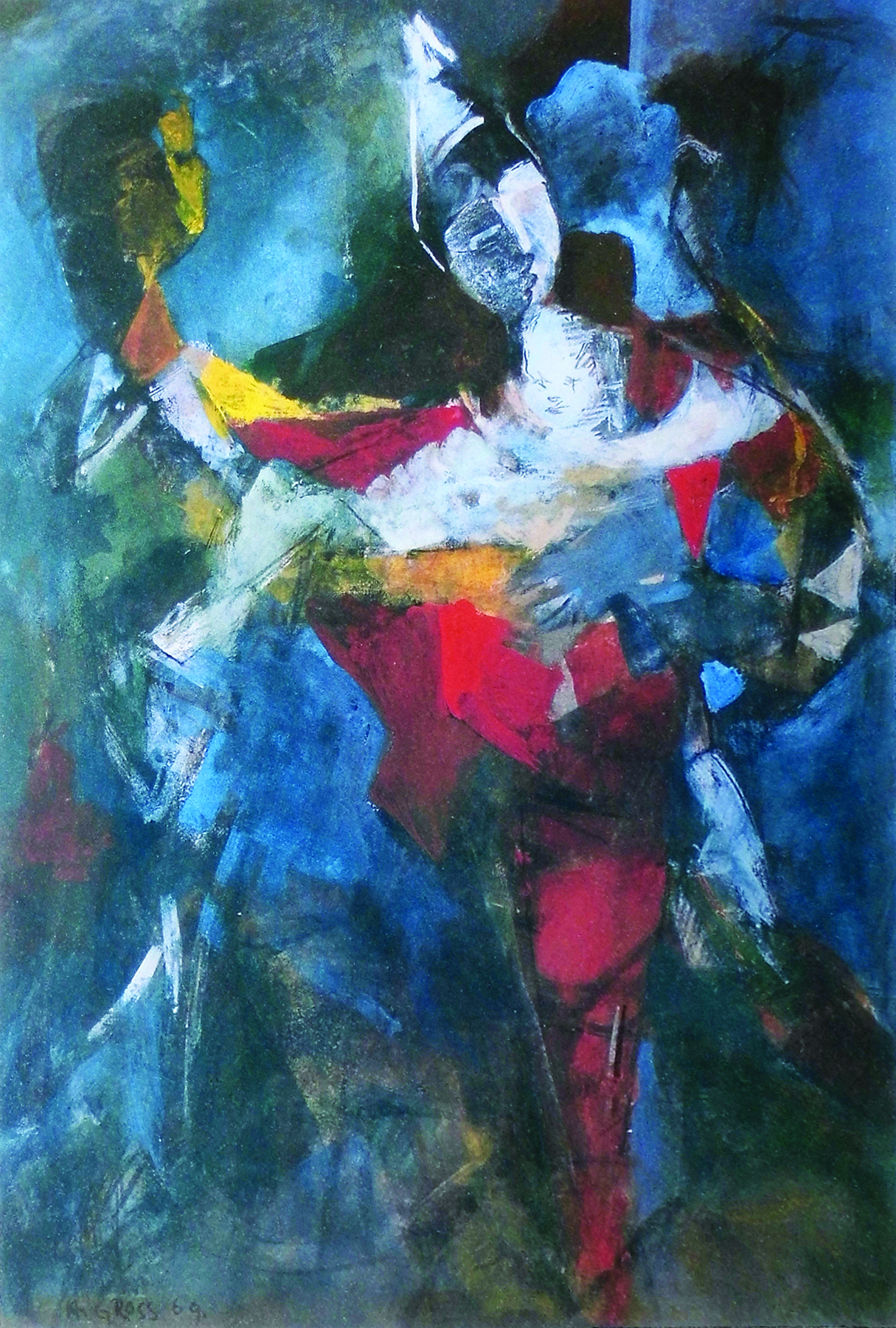
> In this painting of a woman dancing with a bear we can see that the woman has turned her mask to the back of her head. She is focused on the bear while her mask faces the outside world.
> In the second image a figure can be seen carrying a child while a mask is held at arm's length. The figure is dressed in a colourful diamond costume. This is reminiscent of the Harlequin character often portrayed by post impressionists, a character representing life.
However the pale face of the figure and coned hat represent Pierrot. A Figure that represents death and sorrow. The true meaning of this painting is left unsaid. Gross’ aim was to elicit an emotional reaction in the viewer and for that viewer to contemplate and reflect.

Gross did a number of artworks for Camphill Hall in Aberdeen Scotland. Below are three large sculptures that still hang high up on the walls of the hall today. They are impressive, exceeding two metres in height and made from hammered aluminium.
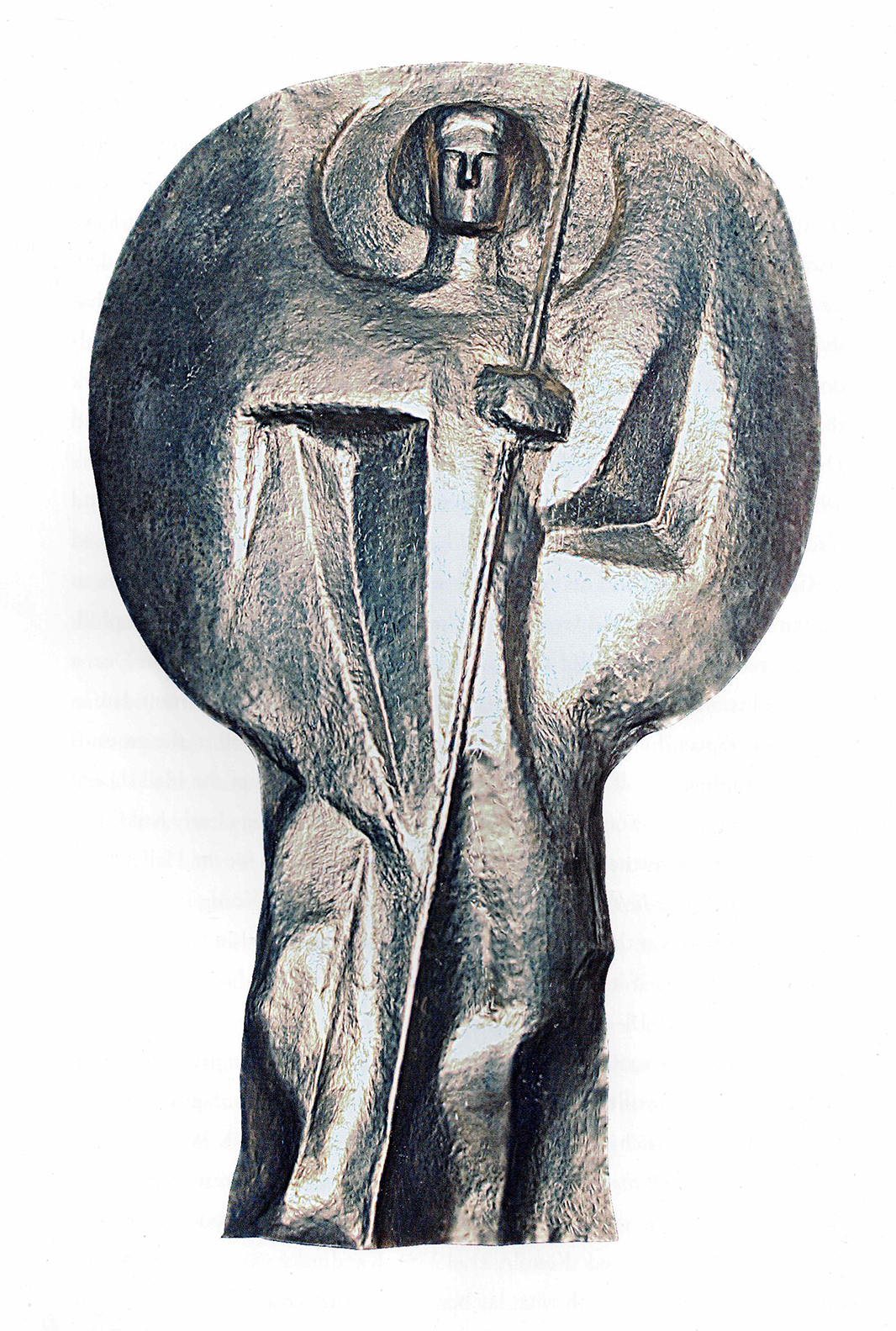
⌃ Michael the Archangel representing peace and harmony
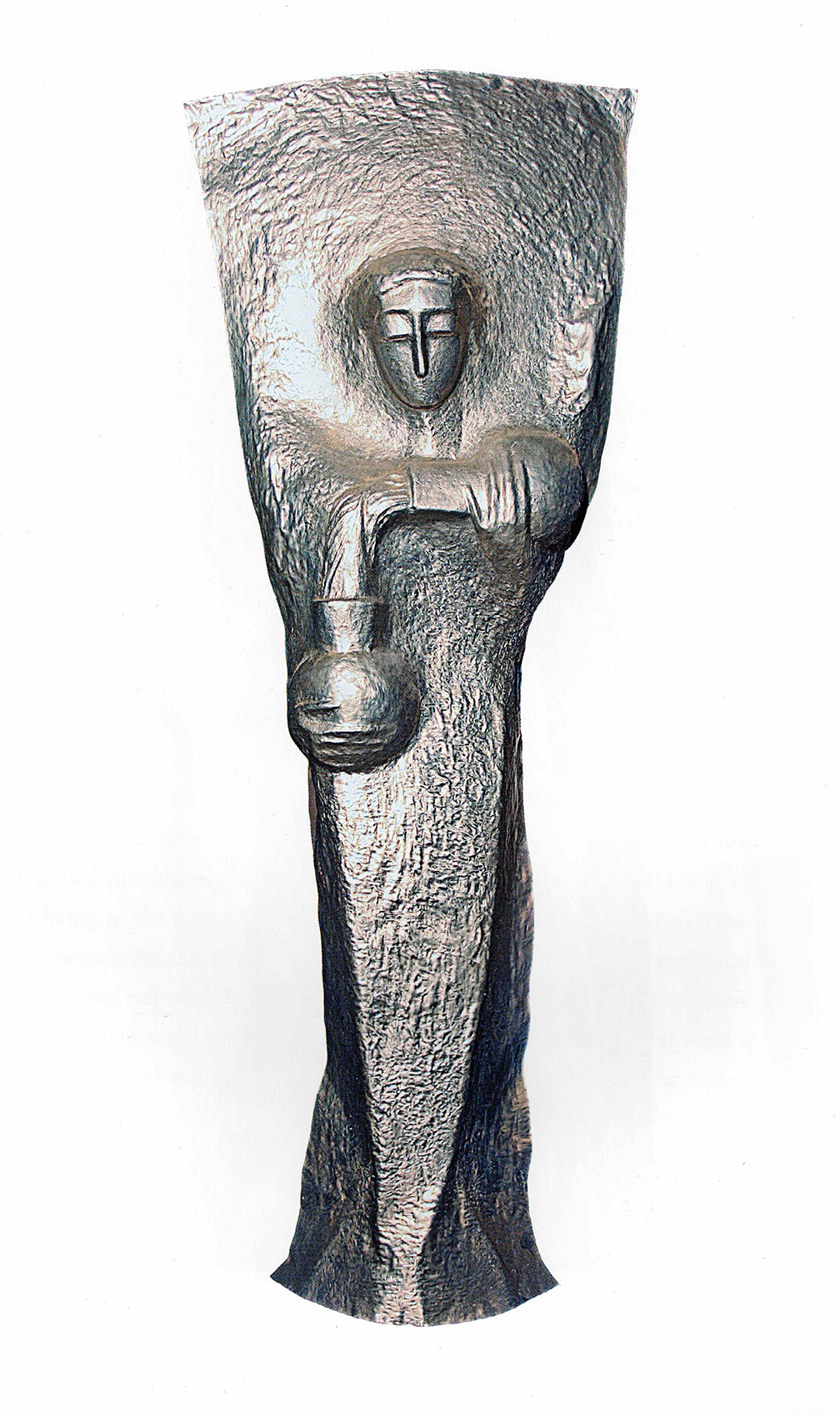
⌃ Raphael the Archangel representing Healing

⌃ Sculpture of someone in prayer
The stained glass windows are most impressive and dominate the focal points of Camphill Hall. Made by Gross over two years and involved using big blocks of coloured glass and setting them in with epoxy resin.
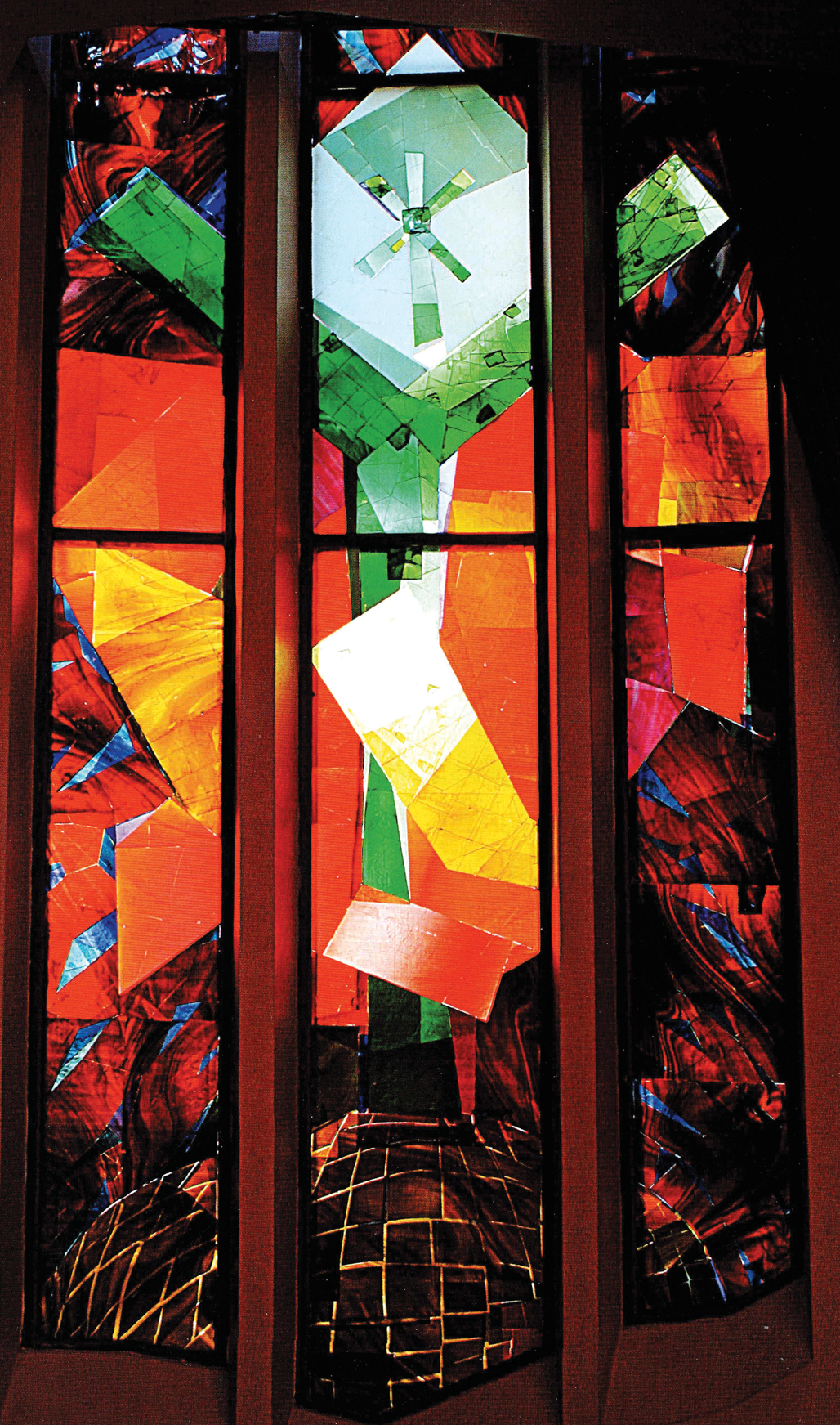
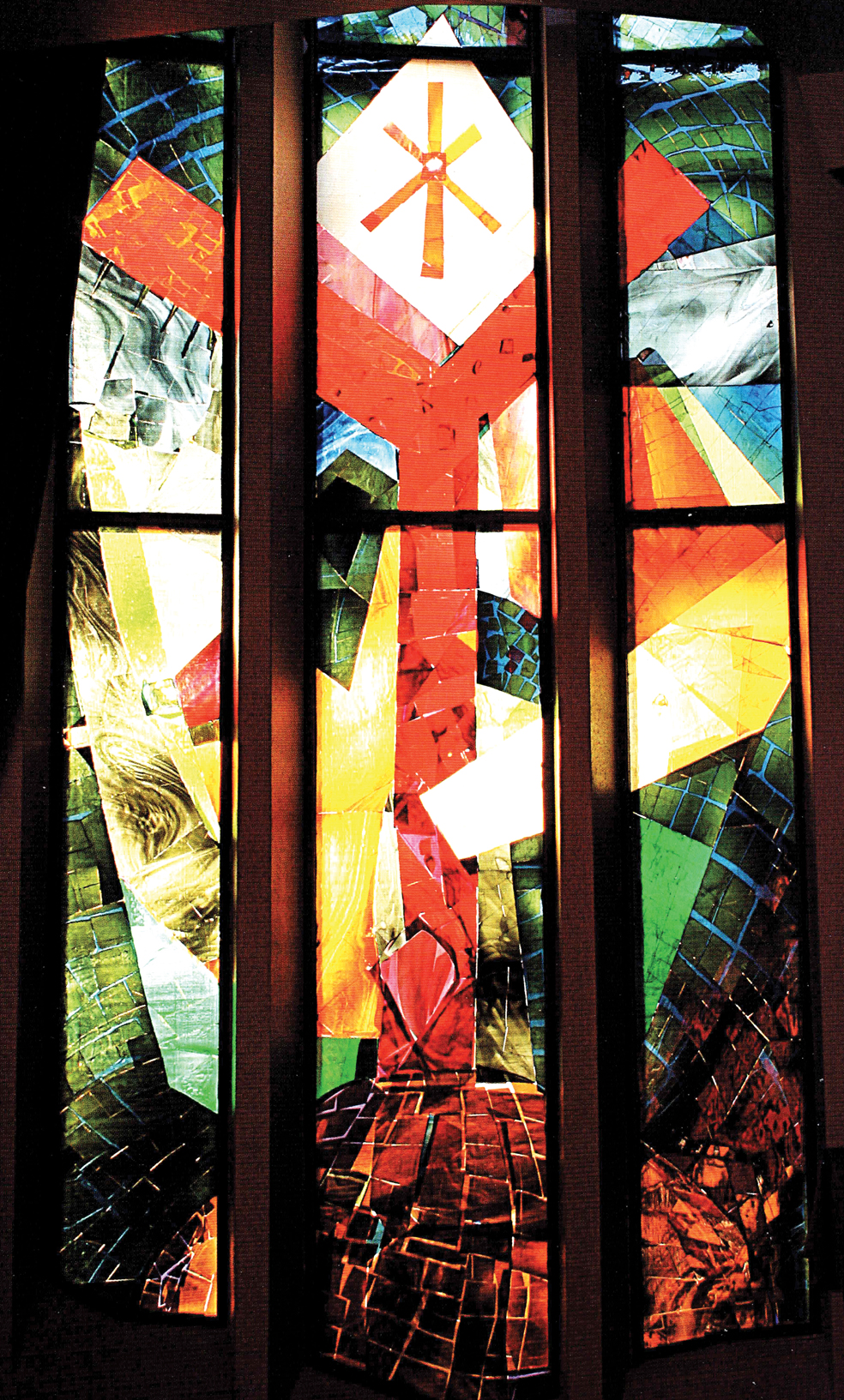
⌃ The abstract style and colour use is reminiscent of his earlier work where he would use dashes of bright colour that were compared to stained glass. These windows look beautiful when the light moves over them throughout the day, giving off differing hues of colour.
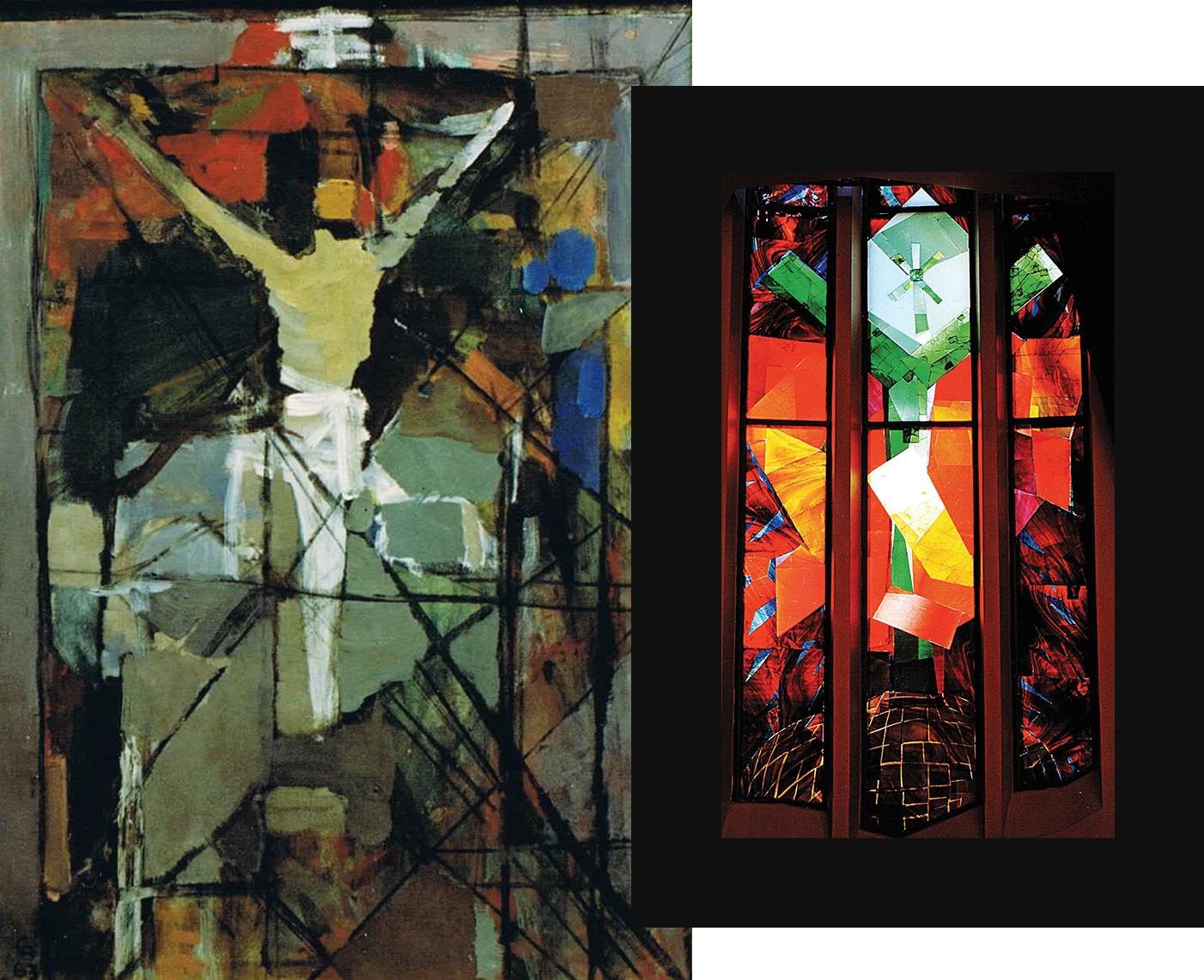
⌃ Although Gross didn't explicitly say what the windows represented, this painting was found in his studio. It was painted around the same time and has elements that can be seen in the stained glass.
Part of the Camphill ethos is to encourage the people who work there to reflect on their practice when caring for the children in the community. This reflection was both practical and spiritual and Gross’ untitled paintings were meant to foster this approach.
In this period of his life Gross art began to be more positive. The use of children as his main focus, and their experience in the world, seemed to bring out a positive new attitude in Gross’ work.
Gross had his own unique style but through the work he did in Camphill we can see the influences of Braque, through his use of geometric construction and muted soft colours, while the dream-like elements often present in his paintings are reminiscent of Chagall.

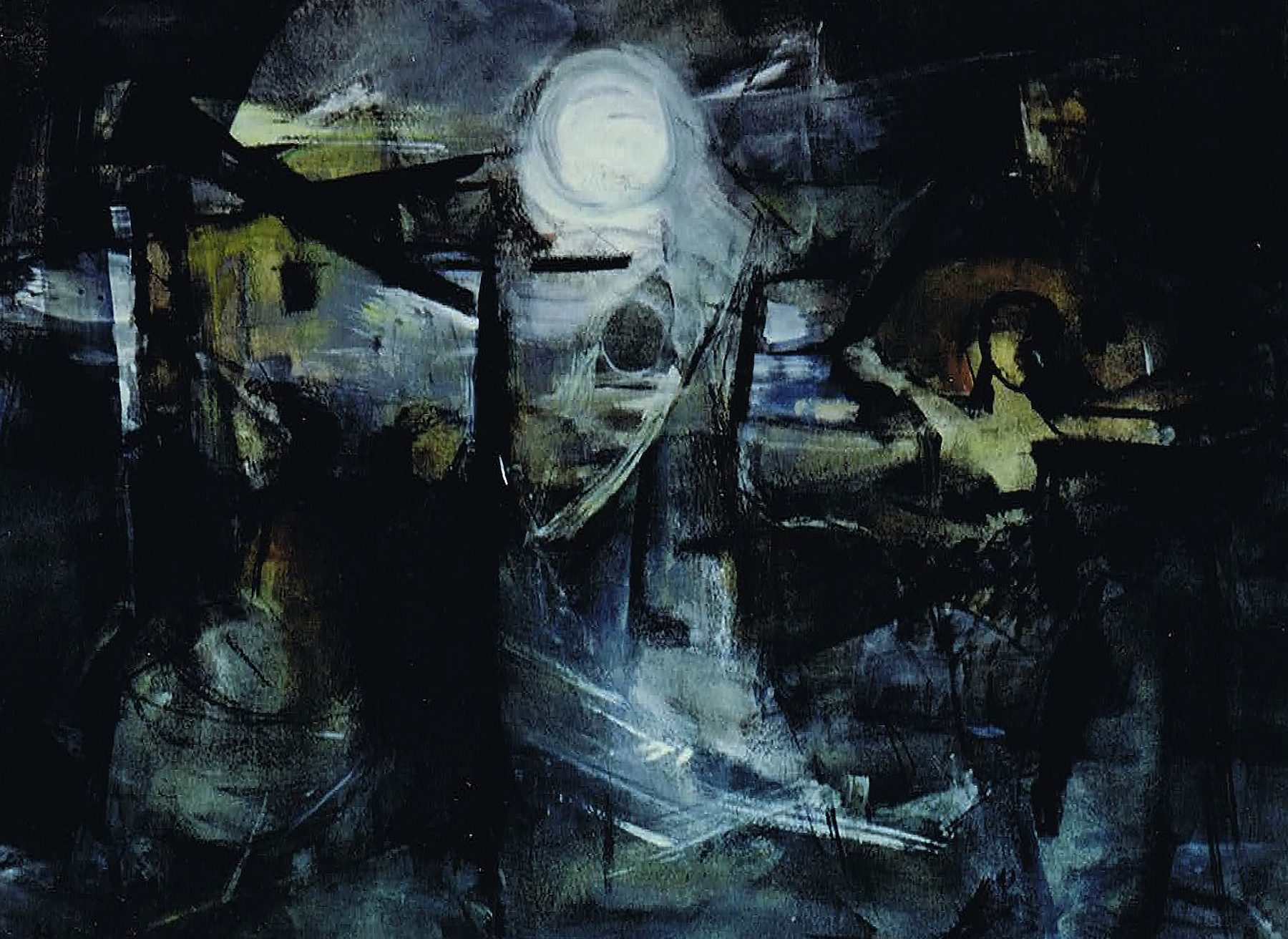
Part of the Camphill ethos is to encourage the people who work there (co-workers) to reflect on their practice when caring for the children in the community. This reflection was both practical and spiritual and Gross’ untitled paintings were meant to foster this approach.
In this period of his life Gross art began to be more positive. The use of children as his main focus, and their experience in the world, seemed to bring out a positive new attitude in Gross’ work.
Gross had his own unique style but through the work he did in Camphill we can see the influences of Braque, through his use of geometric construction and muted soft colours, while the dream-like elements often present in his paintings are reminiscent of Chagall.

_STUDIO_HGross.JPG)
⌃ Painting of a child beating a drum wearing a paper hat. Next to it is a sketch from his studio showing a similar theme. Jackson suggests that this painting is meant to remind the co-workers in Camphill that each child has their own unique rhythm and the co-workers job is to find this to enable effective communication with the child.
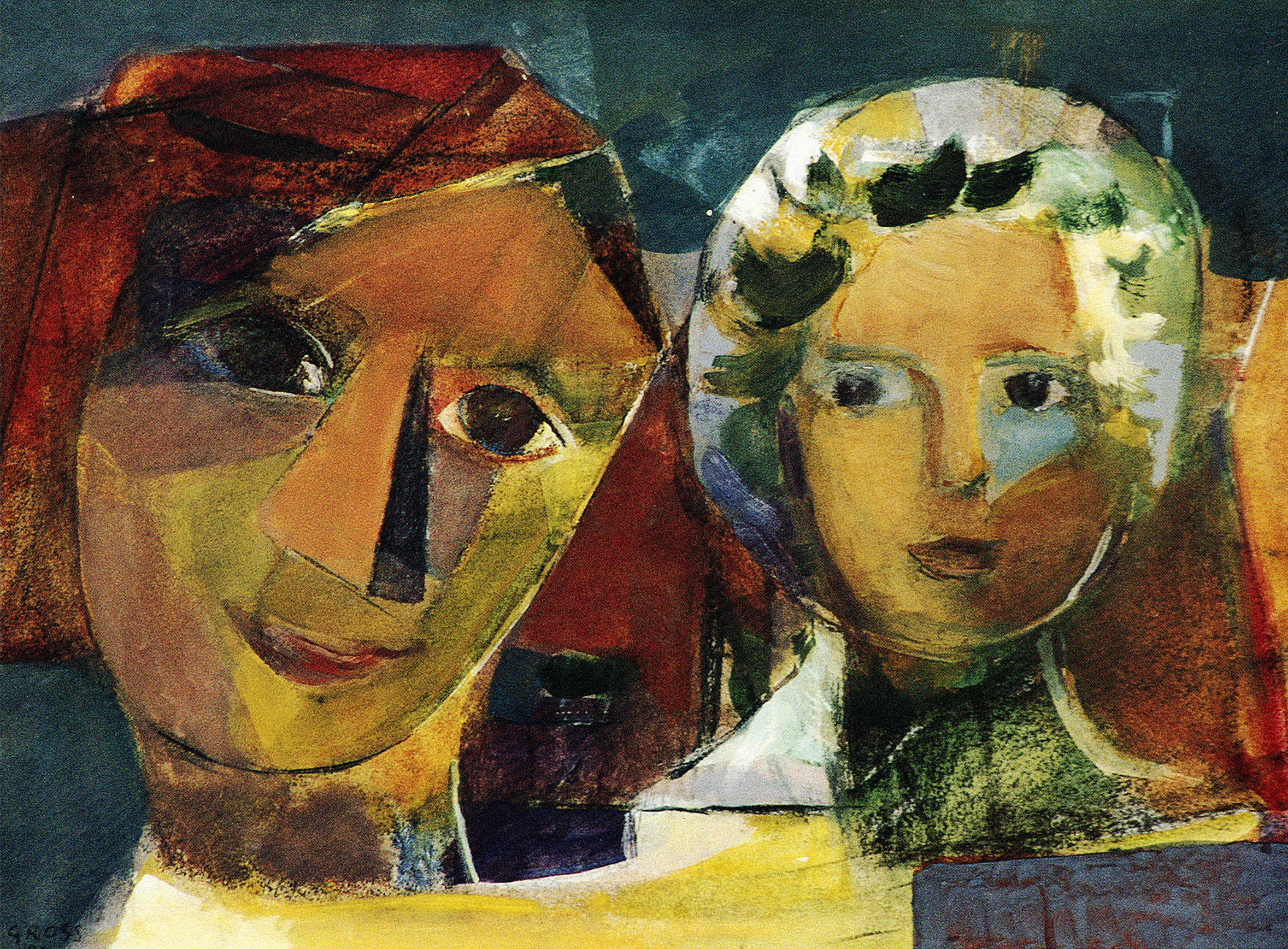
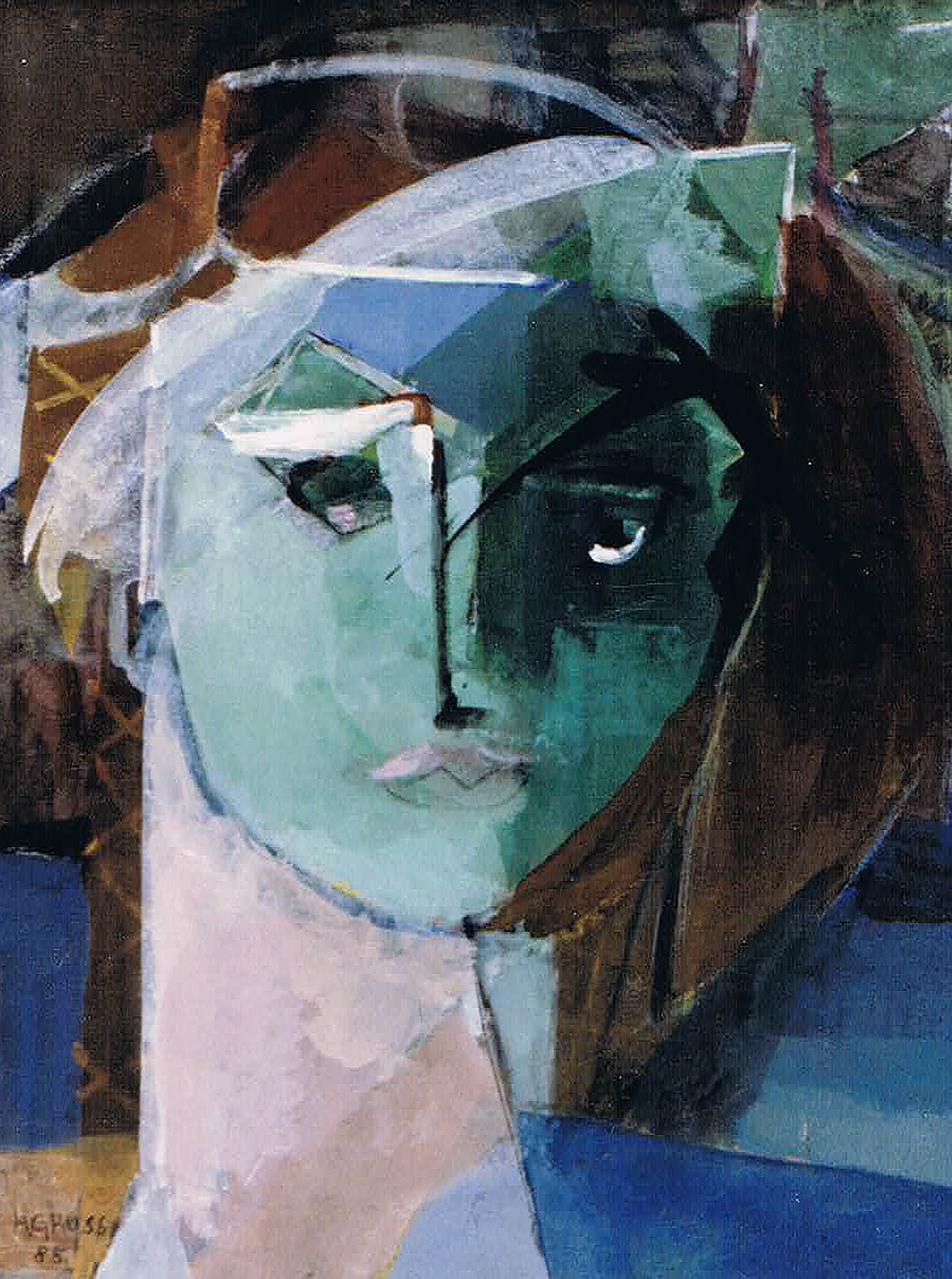
⌃ The paintings showcase woman in abstract forms in contrast to the child's softer natural appearance, perhaps Gross is suggesting that as we grow up we begin to hide our true selves with our own ‘mask’.
In the collection of paintings below we can see that the child is at the centre of the composition, suggesting a caring relationship between the child and the adults surrounding them. We can see that Gross is emphasising the central message of Camphill, that the child is the center of the community.
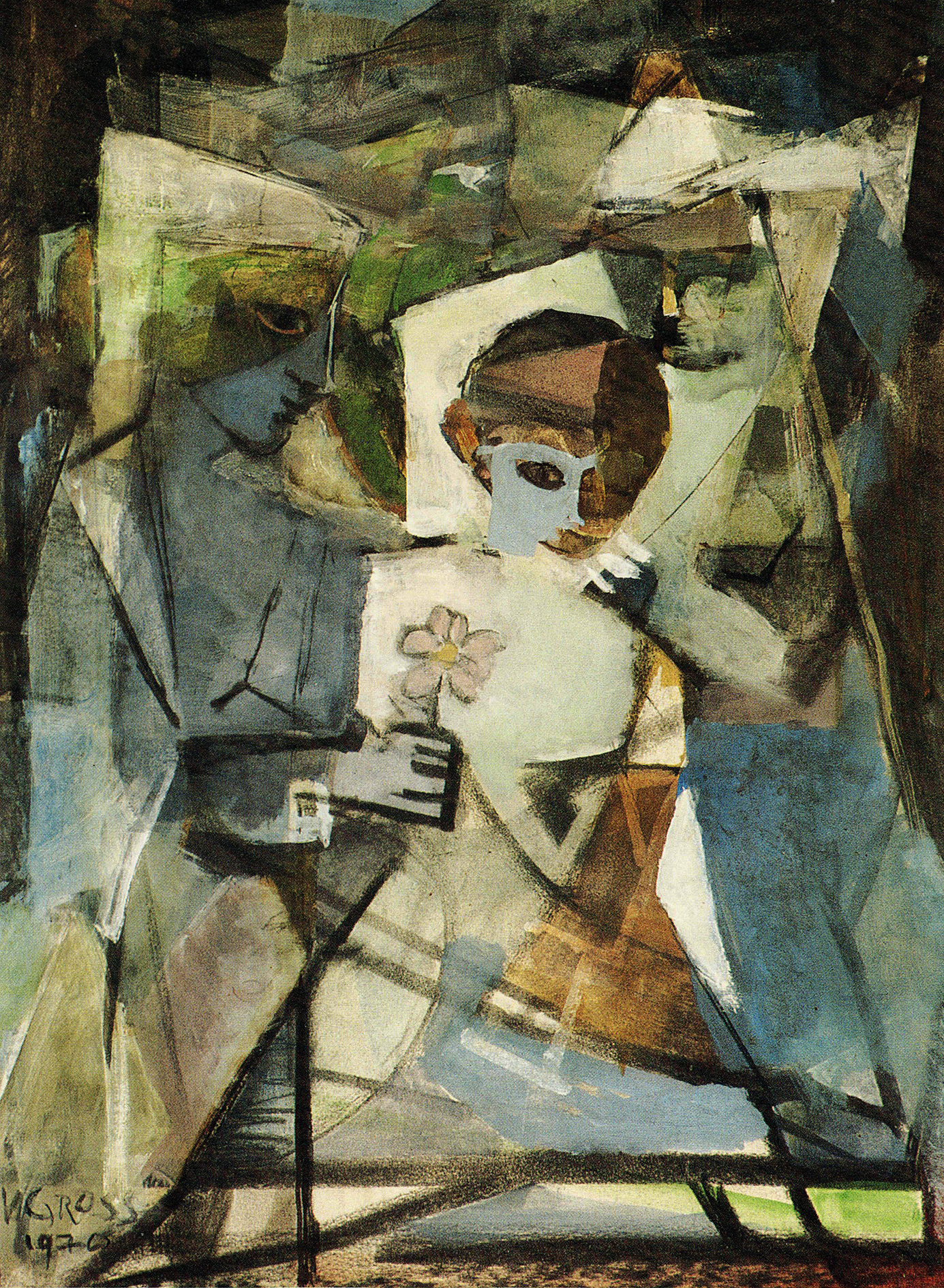

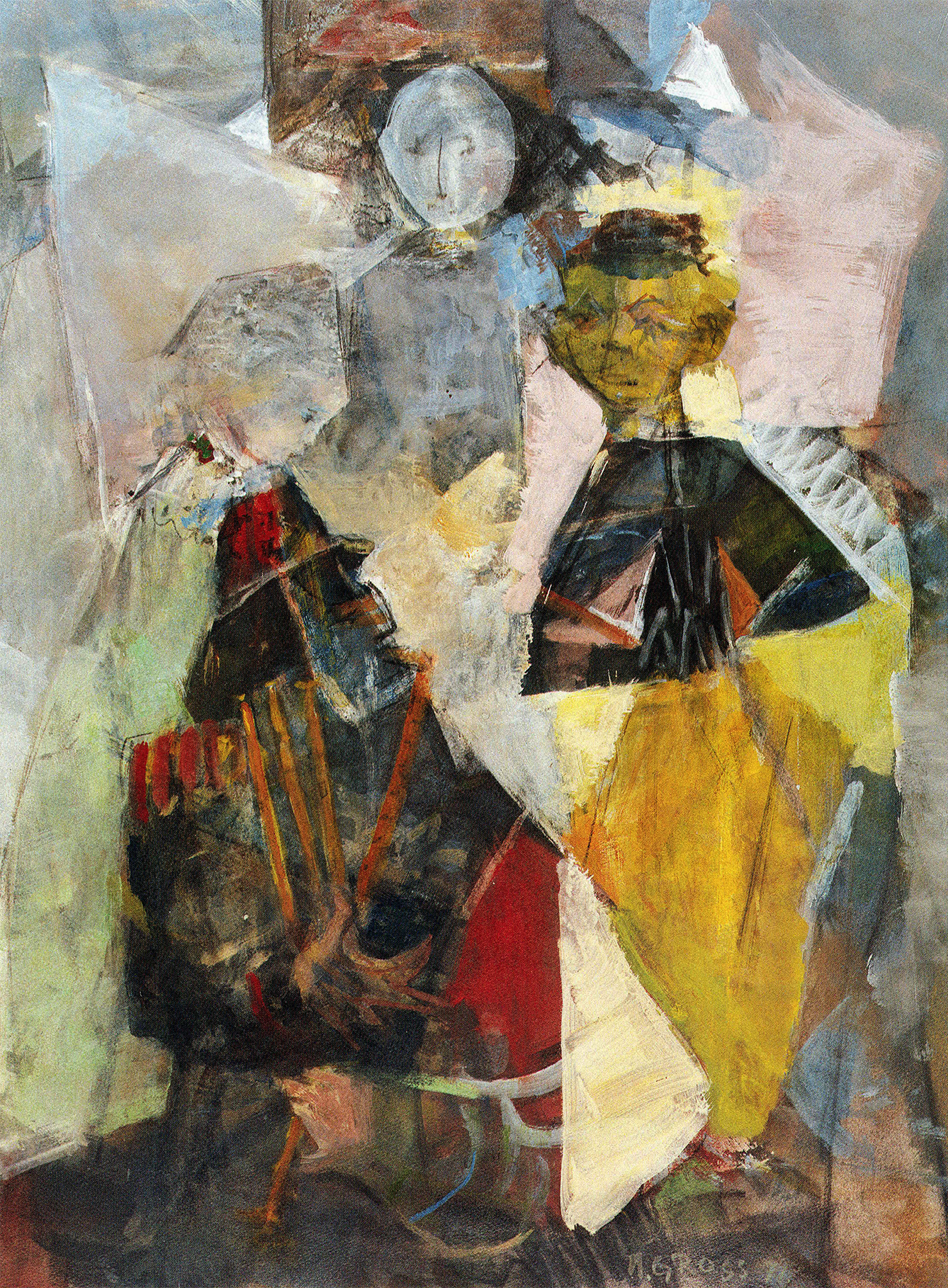
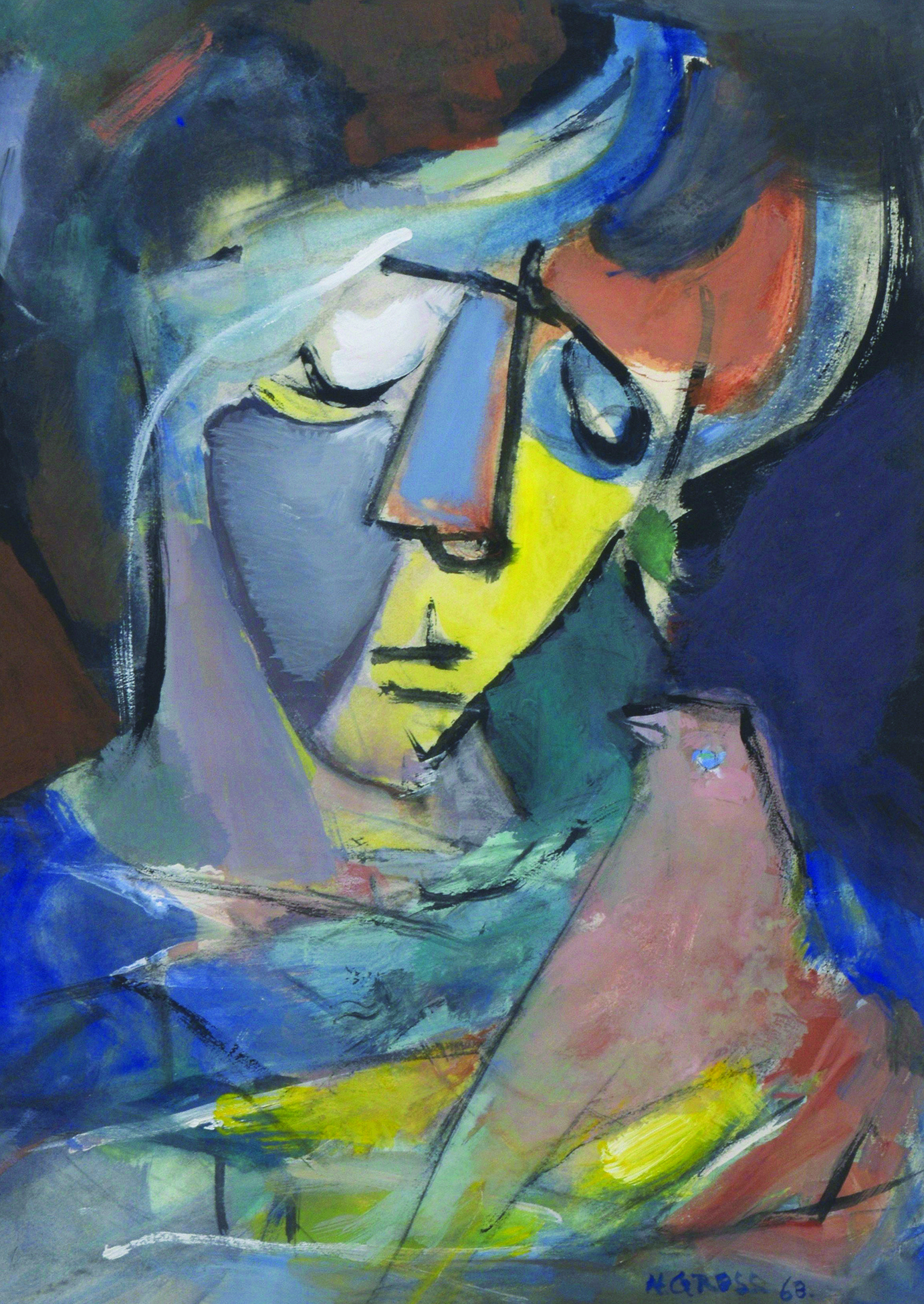
Gross’ abstract expressionist style is clear to see in the vast collection of paintings in his studio.
_CHERRYWOOD_HGross.JPG)
_STUDIO_HGross.JPG)
In Camphill, Gross’ art had a much more subtle and peaceful nature than those of his earlier work. A true descendent of German Expressionist School, Gross used his art to truly communicate his inner feelings. Gross was an artist-in-residence in the true sense of the word. He lived the rest of his life in Camphill and passed away on the 1st of September 1988. For Gross it was not about being successful or gaining a name for himself- rather it was a meditative practice where he could imbue his spiritual ethos throughout the community, allowing carers to reflect on his work and use that reflection to further their pedagogical practice for the good of the children that are central to the communities.
Hermann Gross lived a full and interesting life. His art has impacted many people who live and work in Camphill and beyond. He was a humble man who did not crave fame or recognition. However he inspired so many people it only seems fair that his story is told and his art is shared so he may gain the recognition he deserves.
We aim to promote Hermann's work in a number ways, if you would like to stay notified of any events or exhibitions please enter an email address so we can keep you updated